

The car
Our first car is taking shape
SWR's first Formula SAE car is in design. This page walks through how the car works, system by system, and the engineering choices behind it.
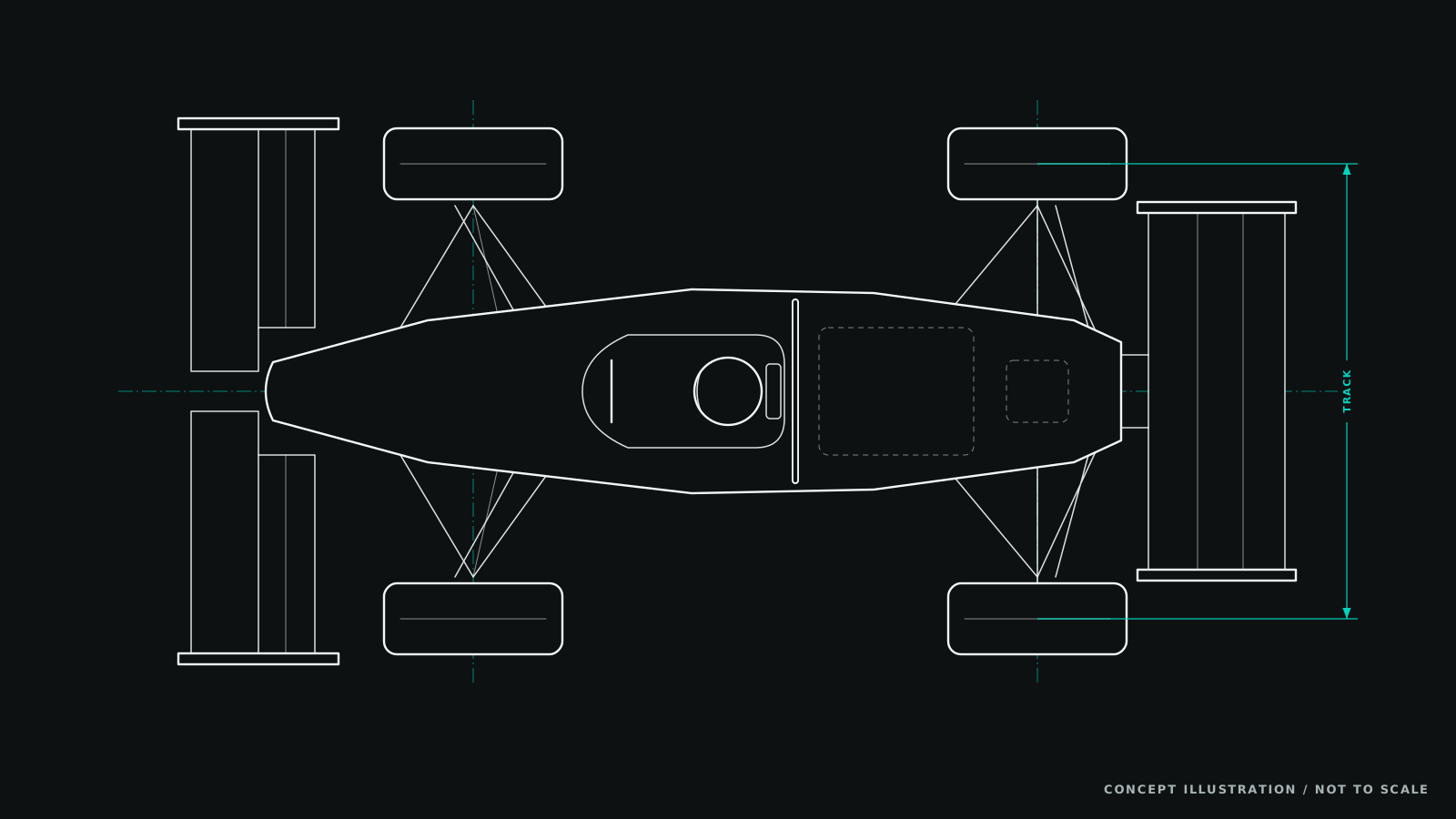
Explore the car
Every system has a subteam
Point at a system to light it up on the car. Each one links to the people who build it.
Engineering priorities
One car, many decisions
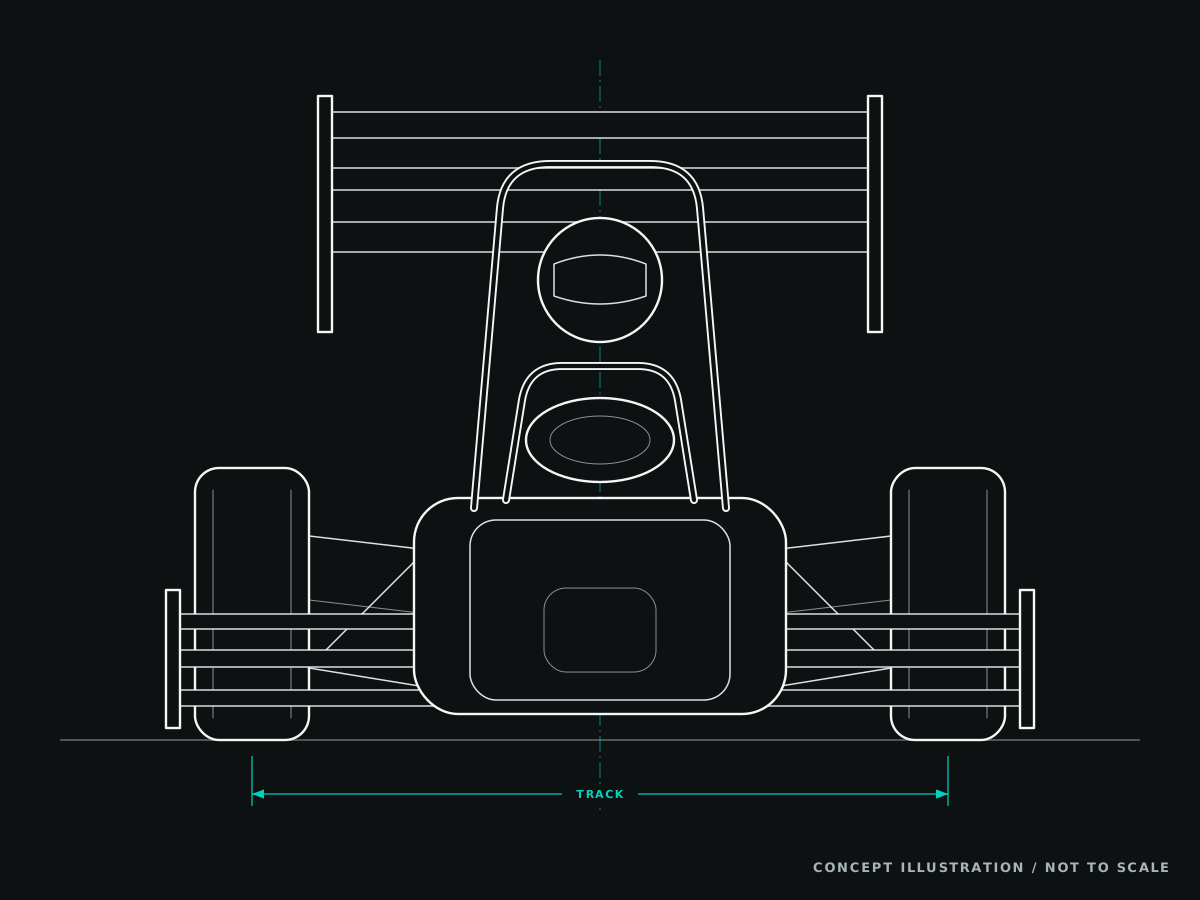
A Formula SAE car is small, light and built to a rulebook. Inside those rules almost everything is the team's choice: how stiff the chassis is, where the mass sits, how the tyres are loaded and how the driver fits.
No choice stands alone. Moving one part moves three others, so the subteams design together and agree their trade-offs in the open.
Finish first
Reliability comes before outright pace. A car has to finish to score.
Light where it counts
Mass is tracked part by part, and every part has to justify its weight.
Easy to work on
What is quick to reach is quick to fix between runs.
Measured
Targets are numbers, and the car is checked against them.
Subsystems
How the car works
What each system does on a Formula SAE car, and the main parts it is made of.
Chassis
The structure everything else bolts to.
The chassis carries every load in the car and protects the driver. It has to be stiff and safe without being heavy, and hold the suspension mounting points exactly where the geometry needs them.
Key components
- Frame or monocoque
- Front and main roll hoops
- Impact attenuator
- Seat and harness mounts
Suspension and vehicle dynamics
How the tyres meet the track.
Suspension and steering decide how much grip the tyres can find. The geometry of the links keeps each tyre at the right angle as the car rolls, brakes and accelerates, while springs and dampers control how quickly the body moves.
Key components
- Wishbones and pushrods
- Uprights and hubs
- Springs and dampers
- Steering rack and column
Brakes
Stopping hard, every time.
When the driver presses the pedal, master cylinders push fluid to a caliper at each wheel, which clamps a disc and turns speed into heat. A balance bar splits the effort between front and rear so the car stops hard and straight, lap after lap.
Key components
- Pedal box and master cylinders
- Calipers and discs
- Brake lines
- Balance bar
Powertrain
The source of the car's power.
The powertrain is what makes the car go. Where it sits, how it is mounted and how it is kept cool matter as much as how much power it makes, because every kilogram and every litre of space affects the rest of the car.
Key components
- Power unit
- Cooling system
- Fuel tank or battery pack
Drivetrain
From the power unit to the rear tyres.
The drivetrain carries the power to the ground. The final drive sets the gearing, the differential lets the rear wheels turn at different speeds through corners, and the driveshafts take the drive out to the wheels.
Key components
- Final drive
- Differential
- Driveshafts and joints
Aerodynamics
Making the air work for the car.
Aerodynamics trades drag for grip and feeds air to whatever needs cooling. Formula SAE corners are tight and speeds are modest, so every wing and panel has to earn its mass.
Key components
- Front wing
- Rear wing
- Bodywork and floor
Electronics and data
The car's nervous system.
Sensors measure what the car is doing, the controls let the driver command it, and a harness carries power and signals between them. Logged data then shows what the car really did on track.
Key components
- Wiring harness
- Sensors and data logger
- Steering wheel controls and display
The brief
What the car has to do
Each dynamic event asks a different question of the car. The design has to answer all of them.
Acceleration
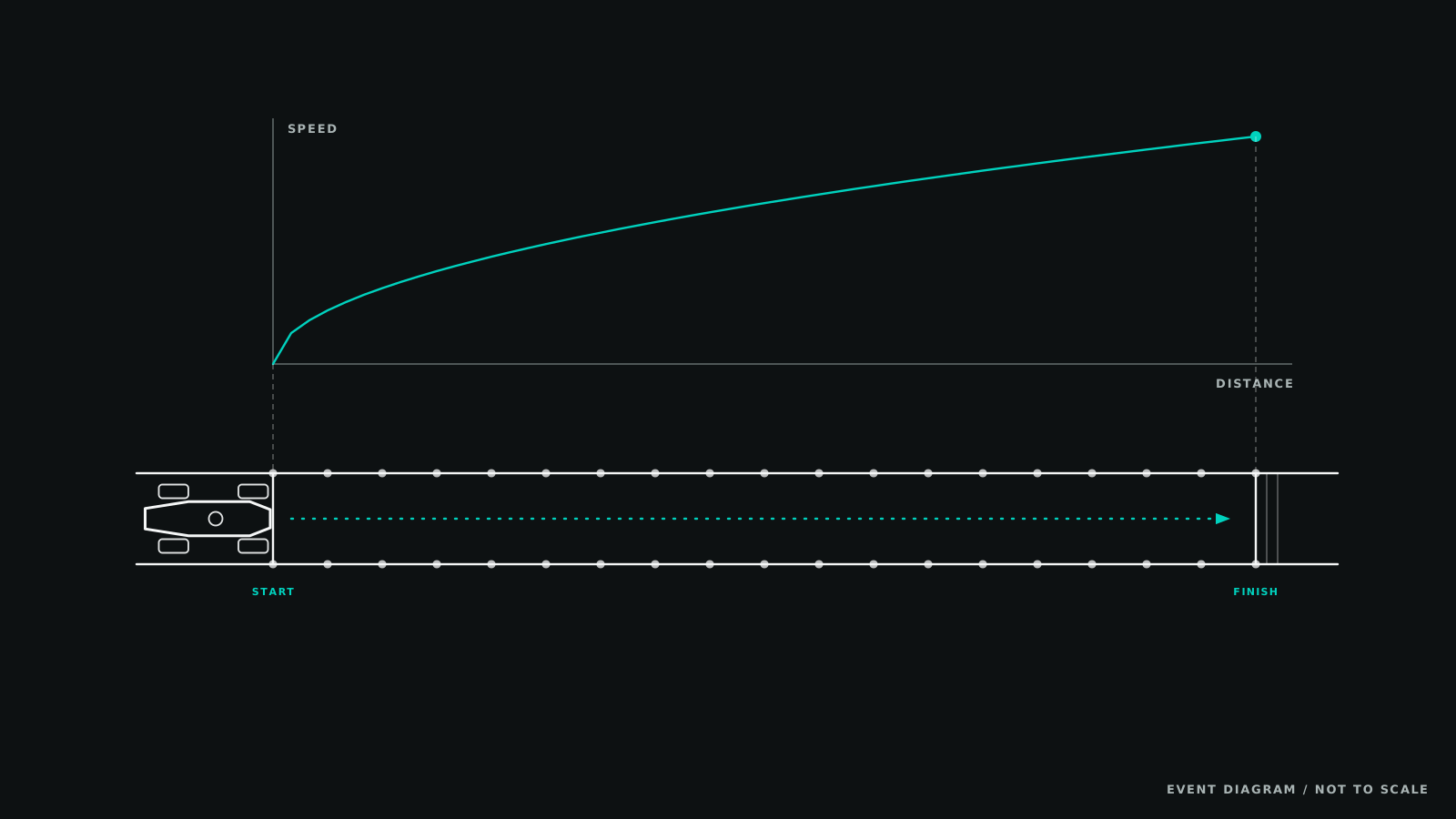
How quickly can it put its power down in a straight line?
Skidpad
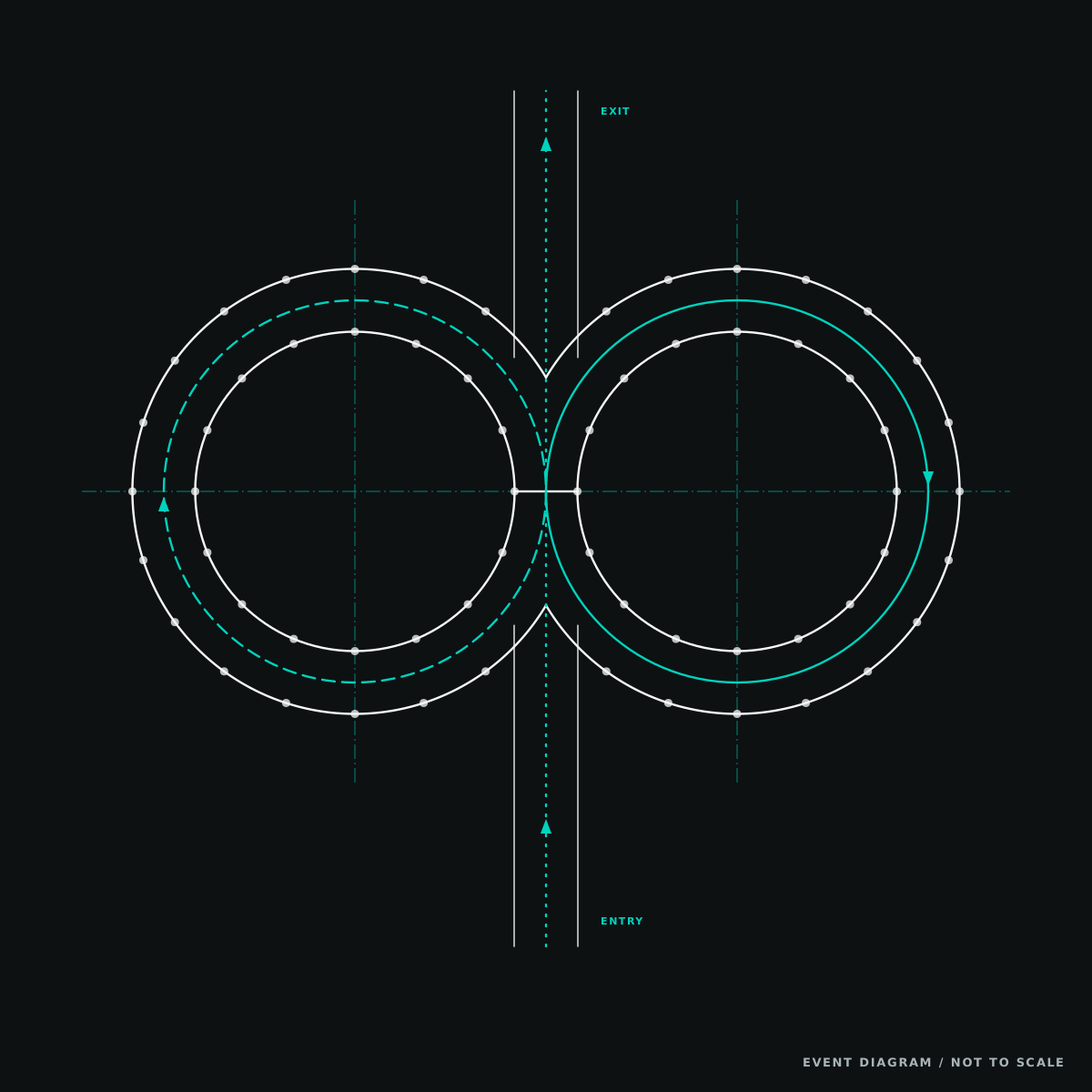
How much steady cornering grip does it have?
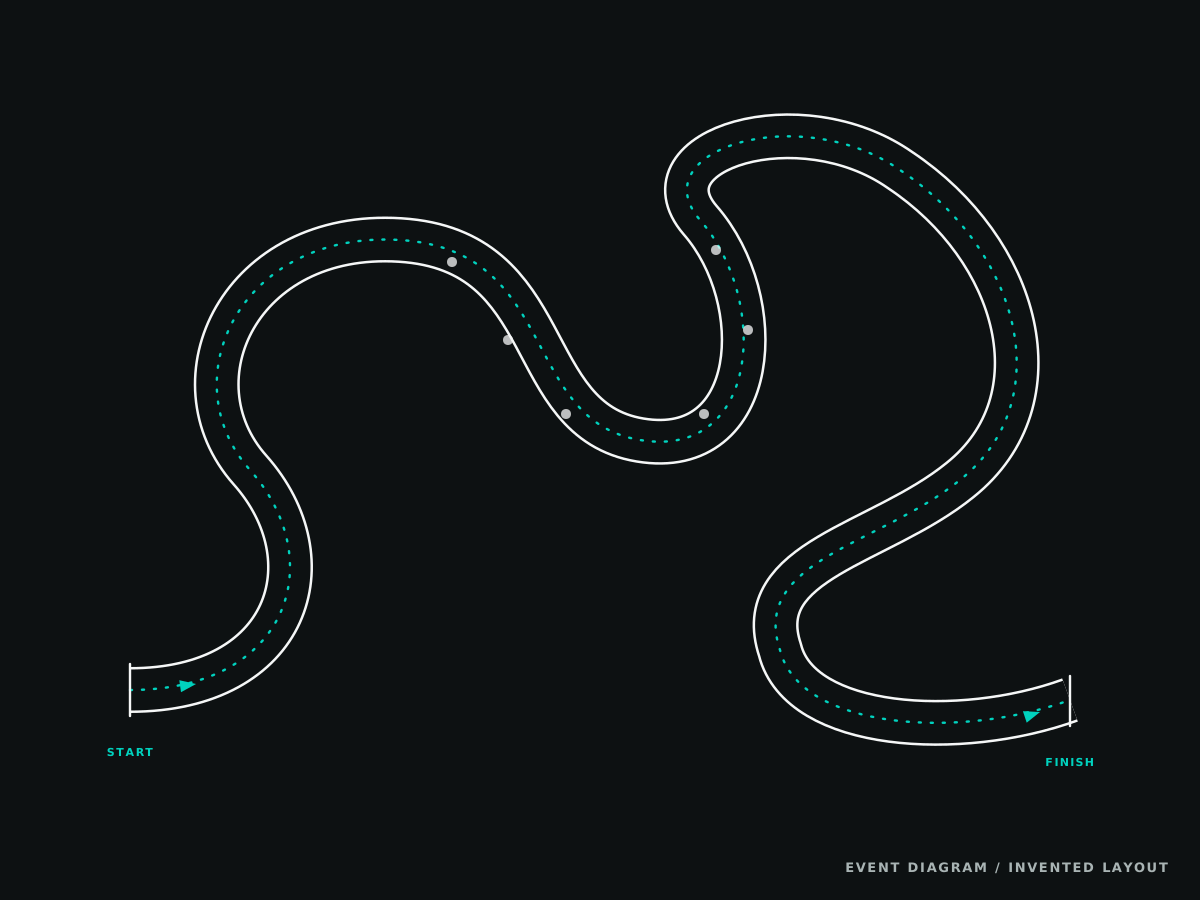
Autocross
How well does it turn, brake and accelerate over one lap?
Endurance and efficiency
Can it do all of that over a long run without breaking, and without wasting energy?
Specifications
Confirmed so far
- Category
- Formula SAE single-seat, open-wheel car
- Stage
- Concept and design
We only publish figures once the design is fixed. Dimensions, mass and powertrain details will be added here when they are final.